Tag Archives: technology

Crafting Smart Blackjack Integrations through BGaming’s Engine

By Mike Willington.

Building a seamless, high-performance online blackjack experience requires more than polished graphics and smooth gameplay. Modern players expect fairness, transparency, personalization, and real-time responsiveness. That’s where a robust casino engine becomes essential. By integrating blackjack with a flexible and developer-friendly system like the BGaming casino API, game creators can deliver richer features, streamlined operations, and scalable performance across all platforms.

BGaming Blackjack

The Power Behind a Casino API

A casino API acts as the connective tissue between the game client, the server logic, and the broader gaming ecosystem. For blackjack specifically, this includes managing:

  • Game states such as dealing, hitting, standing, doubling, and splitting
  • Random number generation (RNG) ensuring fair and provable outcomes
  • Player session data including bets, balance changes, wins, and losses
  • Regulatory reporting and game logs
  • Integration with payment systems, bonuses, and loyalty tools

A strong API abstracts away the complexity of building these systems from scratch. Instead, developers can focus on innovation, interface design, and gameplay enhancements, while the backend handles essential security, fairness, and communication protocols.

How Smart Blackjack Integrations Work with a Modern Casino Engine

Smart integration means that both the game logic and the casino infrastructure communicate efficiently to deliver responsive and engaging blackjack gameplay. An engine like BGaming’s is particularly suitable because it supports:

1. Real-time decision processing

Blackjack is a fast-paced game, and every action — hit, stand, split, double — must be executed instantly. A reliable API processes these decisions with minimal latency, ensuring a smooth play experience even under high traffic.

2. Consistent RNG and fairness compliance

The fairness of card distribution is fundamental in blackjack. A certified RNG inside the casino engine guarantees unbiased outcomes across all sessions. Players gain confidence knowing the game is transparent and regulated.

3. Dynamic betting and flexible stake settings

Smart API connections allow operators to tailor blackjack tables with custom bet ranges, table limits, and side bets, all without rebuilding the game. This flexibility increases engagement and accommodates diverse player profiles.

4. Multi-platform scalability

Whether players access blackjack on desktop, mobile, or tablet, the API ensures consistent state synchronization. Developers don’t have to manage device-specific complexities, resulting in faster deployment and fewer bugs.

5. Seamless data integration for analytics

Performance insights, player behavior analytics, and retention metrics can be synced directly through the API. Operators use this data to refine marketing strategies, personalize bonuses, and optimize user experiences.

Why Operators Benefit from Blackjack Integration with a Strong API

Beyond technical efficiency, operators gain several competitive advantages:

  • Faster go-to-market for new blackjack tables and variations
  • Lower development costs due to prebuilt backend structures
  • Higher retention thanks to smoother gameplay and personalization
  • Better regulatory compliance, supported by detailed logs and reports
  • Stronger player satisfaction, driven by fairness and reliability

Enhancing Player Experience through API-Driven Features

Smart API integration opens the door to innovative blackjack features such as:

  • Adaptive difficulty modes for beginners vs. advanced players
  • Side bets and bonus rounds to increase engagement
  • Live player statistics, helping users track performance
  • Responsible gaming tools, including betting limits and session timers
  • Progressive jackpots or loyalty rewards, triggered through backend logic

Conclusion

Crafting advanced blackjack integrations through a robust casino engine represents the future of online gaming. Developers benefit from streamlined workflows, operators gain flexibility and dependable performance, and players enjoy faster, fairer, and more immersive gameplay. With the right API infrastructure behind the scenes, blackjack becomes more than a digital card game — it becomes a powerful, data-driven, customizable player experience.

IMAGE CREDIT: Microsoft AI Copilot

BLOG MENU

Live Dealer Technologies and Real Time Casino Operations

By Preston Davis.

Live dealer tech has upended the landscape of online casinos. Now, real croupiers chat and deal from polished studios, and suddenly you’re watching cards fall in full HD from your living room. Operators juggle high-speed platforms with reliable streaming, battling for realism while clinging to total control behind the curtain. Every year, as advancements are made, the environment edges closer to the buzz of a real pit; interactive, immediate, and impossibly convenient. By 2024, says DSWARM, mobile devices overtook desktops for more than half of all online casino play. With expectations so high, tomorrow’s platforms face a balancing act: keep things immersive and player-focused, but never sacrifice fairness or trust. In many ways, this entire shift, toward trust, automation, and rich, realistic play, feels on par with the original migration to mobile. 

Cards and Chips

Streaming infrastructure supports seamless real time gameplay

At the core, streaming tech does the heavy lifting. Live dealer studios blast out 8K video feeds with mere milliseconds of lag, stitching together dozens of games without a hiccup. Their reach is global, thanks to complex delivery networks and private lines that refuse to buckle under pressure. Each gaming table hides its own tech, with Game Control Units and synced Optical Character Recognition systems humming along just off-camera. Robot arm cameras now fly through the mix, dropping you into dramatic new angles on roulette or blackjack. However, even a split-second hiccup can break the illusion, chips at trust, and sours the whole show. Continent8 puts it plainly: flawless data flow isn’t optional. This infrastructure underpins every detail for major operators like Vegastars live casino, where seamless streams, split-screen modes, and on-the-spot verification are non-negotiable. The invisible machinery backstage matters as much as anything you see on the felt.

Artificial intelligence optimizes dealers and personalizes features

AI works behind the scenes, quietly learning how you play and customizing everything around you. Some folks chase lightning-fast deals, while others prefer a slower pace; AI notes your habits then nudges the action to fit. More than just pace, AI scans betting styles and suggests incentives tailored to individual players. Today’s studios even monitor dealers in real time with facial recognition and posture tweaks, keeping things sharp from the first hand to the last. Noticing fraud? Identifying slip-ups? All flagged immediately. The predictions are bold: DSWARM says by 2025, AI will touch nearly every facet of the live casino world, shaping both what you see as a player and the entire back end the staff see. For online operations such as Vegastars live casino, this technology enables gaming tailored to players’ preferences, supporting both engagement and operational transparency.

Blockchain and cross-platform access redefine transparency and usability

With blockchain, every transaction from bets to payouts is instantly locked in, open for anyone to check. Distrustful of old-school shuffling? On some new platforms, every deal is auditable, transparent, and leaves a permanent trail. Bitcasino’s experiments with blockchain drove stricter compliance and lifted trust among skeptical players. Meanwhile, seamless device-hopping has become table stakes. Over half of all casino games now unfold on phones or tablets, and HTML5 layouts ensure you can move from phone to TV or desktop with no hiccups at all. Operators let you bounce from home to the office and back without ever missing a hand. On the flip side, managers monitor the whole network, balancing live traffic as it happens. This collision of blockchain clarity and device freedom sets the tone for what’s next.

Immersive environments and social features expand player engagement

Virtual reality isn’t sci-fi anymore; some players now step into three-dimensional card halls, interacting face-to-face with live dealers or rolling dice with friends from across the globe. Augmented overlays turn your kitchen table into a live baccarat pit. PokerStars VR led the way, but now nearly every big name is chasing that social, immersive feel. Leaderboards, live chat, and group tournaments keep things communal; suddenly it’s not just about the game, but about playing in a crowd. Operators can even route traffic across studios or offer tables staffed by multilingual dealers for global appeal. It’s a world where variety, status, and connection matter.

Responsible gambling in the digital era

There’s never been more access, but that means fresh responsibilities, too. Automated limits, self-exclusion buttons, and real-time loss tracking are now in the DNA of every responsible operation. AI-driven systems scan for trouble signs, nudging players toward help if things spiral. As live casino tech pulls us in ever deeper, keeping player well-being front and center, education, tools, real support, is non-negotiable. This is how live dealer gaming remains regulated for everyone.

IMAGE CREDIT: Pixabay.com

BLOG MENU

How New Technology Is Improving Live Dealer Blackjack

By Denis Sharpe.

Live dealer blackjack used to be a simple setup. A camera, a dealer, and a few on-screen buttons were enough to run a round. It worked, but it often felt like watching a stream while placing bets on the side. Recent technology has pushed it much further. Modern tables feel closer to sitting in a real casino pit, with smoother streams, faster responses, and tools that fix many of the problems that used to break the experience, such as lag, unclear outcomes, and long pauses that drained the energy from the game.

AI generated depiction of live dealer online blackjack

Clearer Streams, Quicker Hands

The first thing most players notice is how clear the stream looks. Modern live blackjack runs in high definition with steady frame rates and lighting designed for the camera. Faces are sharper, card values stay readable, and the table does not get blurry when the dealer moves. All these improvements have led to clearer streams that make the game easier to follow and reduce the effort needed to track each hand. Many of the best no kyc casino sites today offer players access to a wide variety of live dealer blackjack tables with high-quality streams, and they also make the process of signing up simple and hassle-free by skipping lengthy verification steps. These platforms typically only ask players for an email address and a password, and once this is done, players can enjoy various live dealer games and benefit from perks like swift payouts, which are supported by flexible transaction methods and generous bonuses.

It is important to note that technology has not only improved the streaming quality of live dealer blackjack tables but has also improved the speed of each session as well. New streaming setups cut the delay between the studio and the player’s screen, so the game feels closer and more responsive. Betting windows feel firm but fair, decisions register quickly, and each hand moves at a steady, consistent pace. There is enough time to think, but not so much that the game slows down, which keeps blackjack focused and comfortable to play.

Smarter Tables And Stronger Trust

Modern live blackjack tables rely on far more than a camera and a dealer. Most studios use automatic shufflers, card recognition tools, and table sensors that track every hand as it happens. Players only see a small round history on the screen, but behind that sits a complete record of each step in the game.

This tracking helps keep the table consistent and fair. If a misdeal occurs, the system can identify it quickly and reset the round without guesswork. If a player questions an outcome, support teams can check the exact data instead of relying on memory or replaying footage. Over time, this steady accuracy builds confidence. Blackjack depends on players feeling that the table is reliable, even when luck turns against them, and technology that can confirm results on demand makes that trust much easier to maintain.

Interfaces That Stay Out Of The Way

Early live dealer games often crowded the screen with pop-ups, offer banners, and flashing side bets that made it hard to stay focused on the cards. Newer layouts are calmer. The table sits clearly in view, the dealer is easy to see, and the main buttons for placing bets and making decisions stay in familiar spots, so nothing feels chaotic.

On mobile, this matters even more. A live blackjack table has to optimize its streams for a smaller screen without feeling tight or confusing. Players should be able to check the balance, place a bet, and make a choice with a few quick taps. After a little time, the controls feel like second nature, and a player’s attention shifts back to the rhythm of the game.

A few simple details usually show when a platform has reached that point.

  • A clean screen with no pop-ups or animated offers blocking the cards or betting area, so the table stays easy to follow
  • Controls that stay in the same place every round and respond to simple taps, so choices feel steady instead of frantic
  • Chip values and bet areas that are clear at a glance on any screen size, keeping the layout readable without extra effort

Social Features That Feel Natural

Technology in live dealer games has helped create experiences that are closer to the kind of social space players remember from a physical table. Live chat is standard now, but its tone depends on how the studio manages it. Strong moderation and simple rules keep conversations steady and protect both players and dealers, which helps the chat stay friendly instead of drifting into arguments or distractions. When the atmosphere is calm, casual jokes, friendly remarks from the dealer, or brief exchanges between players can make even routine hands feel a little more connected.

Tipping tools and short messages give players ways to take part without raising their bets or breaking their focus. None of this replaces being in the same room, but it does restore some of the presence that online blackjack used to miss. People want to feel included while they play, not processed, and these features help the table feel more natural and welcoming. When social tools support the game instead of competing with it, players can dip in and out of conversation without feeling pressured. This suits quieter players who like to observe as much as it suits outgoing players who enjoy small talk. Over time, that balance helps live blackjack feel less like a stream on a screen and more like a table that players recognize and return to.

Personalization That Helps Players Settle In

Recommendation systems now study how people actually play rather than pushing them toward whatever table simply needs seats. A smart lobby notices which stakes a player tends to choose, which languages they pick, and whether they sit at fast tables or slower ones. It can then quietly surface blackjack tables that match those habits and show at a glance how busy each table is, how long rounds tend to last, and whether the table usually attracts solo players or a full crowd. When this works, it feels more like a floor host pointing to a comfortable seat than an algorithm trying to drive more action.

The same approach continues once a player joins a table

  • The table loads with the player’s usual chip values and layout, so it feels familiar right away
  • Clear limits, pace, and seat information appear immediately, so players know what kind of table they are walking into
  • Sound, chat, and speed controls are easy to reach, so players can quickly set the table up in a way that suits them.

IMAGE CREDIT: Microsoft AI Copilot

BLOG MENU

Swedish Slot Mathematics vs US Standards: RNG Volatility and Return Rates Decoded

By Samuel Thomas.

Sweden and the United States both enforce strong technical controls on slot machines, but their philosophies diverge when it comes to transparency, volatility shaping, and how fairness is defined. Beneath the shared language of RNGs and RTPs lies a different attitude toward player experience and risk disclosure. Understanding these contrasts helps players read between the lines of a payback percentage and grasp what it really says about game design.

A woman playing roulette

What “Fairness” Means in Slot Math

RNG Integrity and Market Standards

Fairness begins with the random number generator (RNG). Every slot uses a pseudo-random algorithm to assign outcomes independently of prior spins. Each result is mapped through a paytable, then locked before display. If implemented correctly, that means no cycles, no pattern memory, and no operator bias.

Swedish regulators require proof that RNGs are isolated from external influence and that their distributions meet statistical uniformity tests. U.S. regulators impose similar lab validation, but often state by state rather than through a single national framework. Independent testing labs such as those reviewed by Slotzy verify that RNGs perform within acceptable thresholds, that seed generation draws from sufficient entropy sources, and that the mapping between code and math model matches the approved design.

This alignment ensures that “fairness” means not predictability or leniency, but mathematical honesty: outcomes follow probability, not perception.

Seeding, Entropy, and Independence

High-entropy seeds keep identical cabinets from syncing outcomes. Modern generators incorporate multi-source entropy timers, thermal noise, and hardware jitter to randomize start states. Regulators confirm that reseeding procedures after restarts or maintenance do not repeat prior cycles.

For players, this technical depth is invisible. What they feel is smooth spin cadence, no discernible streak pattern, and consistent odds whether pressing spin or using autoplay. Any deviation from those principles would breach certification.

Dispelling Persistent RNG Myths

Slots do not tighten at night or after big wins. They do not track player sessions to offset previous luck. Payback curves unfold only over millions of spins; small samples look streaky by nature. Similarly, pressing the button manually versus letting autoplay run triggers the same RNG sample. A fair game’s only variable is variance, not timing.

Volatility, Hit Frequency, and Session Feel

Variance and Player Experience

Volatility determines how a game delivers its theoretical return. High-volatility titles produce long dry runs and occasional large hits; low-volatility titles sprinkle smaller wins more frequently. Two games with identical RTPs can behave very differently. Developers shape this variance by adjusting symbol weights, reel lengths, and bonus contributions.

Regulators do not fix volatility targets, but they test consistency between the submitted model and live performance. Players who understand variance can pick experiences that fit their goals: steady pacing for entertainment, or long odds for jackpot potential.

Hit Rate, Feature Weighting, and Pacing

Hit frequency measures how often any win lands. A 35 percent hit rate might yield frequent mini-pays, while a 15 percent game could hide 80 percent of its return inside bonus rounds. Swedish online markets often favor smoother pacing balanced hit frequencies and moderate variance to encourage longer sessions. U.S. floors lean on cinematic volatility: fewer base wins, flashier features, and progressive ladders that spike excitement but shorten bankroll life.

Matching Variance to Bankroll

If the goal is time on device, lower-volatility games with 30–40 percent hit rates preserve balance longer. If the goal is excitement, higher volatility titles deliver larger swings but demand deeper bankrolls, typically 200–300 bets to reach the core bonus cycle. Recognizing that tradeoff is key to sustainable play.

RTP: Theoretical vs Observed Return

How RTP Is Calculated

Return to Player (RTP) represents the theoretical share of wagers a game pays back over its full probability space. Developers build combinatorial models or run billions of spin simulations to establish the figure, then submit that par sheet to a lab for verification. Once certified, that percentage becomes locked to a checksum; regulators can later confirm live installations match the approved math.

Why Actual Returns Fluctuate

Short-term results deviate from the model because of variance and player behavior. RTPs converge toward theory only across vast play volumes. Temporary over- or under-performance is normal, not manipulation. Denomination choices, side bets, and progressive contributions also skew short-term data.

Market Return Bands

Online Swedish titles typically publish payback ranges from about 94 to 97 percent, often with the specific configuration shown on the game tile or info panel. U.S. retail floors operate across a wider band; penny games frequently dip near 88 to 92 percent while higher denominations run richer. Both regimes require full disclosure to regulators, but Sweden mandates more visible transparency to the public.

Certification and Oversight: Two Systems Compared

Testing Labs and Frameworks

Both markets depend on ISO 17025-accredited labs following GLI-11 or equivalent standards. Sweden’s Spelinspektionen centralizes oversight through licensed platform providers, streamlining compliance. The U.S. relies on state or tribal agencies Nevada, New Jersey, Michigan, etc. each with its own rulebook referencing GLI models.

Test reports include math verification, source code hashes, and detailed par sheets. These records anchor later audits, ensuring the version online or on a floor matches the one approved in certification.

Change Control and Version Tracking

Any update that affects outcomes, new reel strips, bonus logic, or volatility adjustments requires resubmission. Cosmetic tweaks may pass under notification-only procedures, but every live build must trace back to a certified checksum. Sweden enforces central platform monitoring; U.S. regulators often rely on random inspections and meter checks to confirm compliance.

Field Audits and Continuous Monitoring

Live systems feed performance data to central servers. Inspectors compare returns, check integrity logs, and investigate anomalies. Sweden emphasizes automated oversight through licensed host systems. U.S. authorities add spot audits and remote metering. When discrepancies arise, titles can be suspended until math and code realign.

Design Rules That Shape Slot Math

Responsible Play and Feature Controls

Swedish regulation explicitly integrates responsible design limits on autoplay speed, restrictions on consecutive losses, and careful presentation of near-misses. These rules push developers toward steadier hit distributions and gentler pacing. U.S. jurisdictions focus more on disclosure and physical safeguards, granting designers broader artistic freedom. The outcome: Nordic games feel smoother and more predictable; American titles lean flashier and riskier.

Progressive Jackpots and Contribution Logic

Progressives alter base return composition by diverting a small slice of each bet to a pooled meter. Sweden’s systems track every contribution through licensed network servers to ensure transparency. U.S. networks vary, sometimes linking across properties or tribes. Contribution rates and seed amounts are part of the certified math, preserving fairness despite the shifting jackpot top.

Transparency and Player Access to Info

Swedish online casinos commonly display RTP and sometimes volatility ratings on the game interface. For readers interested in how transparency and statistical data shape player trust, Blackjack Review provides in-depth analysis and strategy insights that emphasize informed decision-making in both online and live environments. In the U.S., public disclosure is rarer; only regulators routinely see full par sheets. Players infer expected returns from denomination and reputation rather than direct figures. Transparency influences trust, and Swedish models generally make that trust easier to verify.

Practical Takeaways for Players and Developers

Reading a Game Sheet

A complete game sheet outlines RTP, hit frequency, volatility index, and base-to-feature weighting. Where multiple paybacks exist, each configuration has a unique ID. For analysts, comparing RTP to standard deviation gives the clearest snapshot of expected bankroll swing. For players, the headline RTP matters less than volatility and features share the real determinants of session feel.

Bankroll and Bet Planning

Use stake sizing relative to variance: 100–150 bets for low-variance titles, 200–300 for high. Flat betting stabilizes variance better than progressions. If the game sells feature buys, treat each as a separate high-risk wager with its own budget. Exit on time or loss caps, not emotion.

Localizing Math to Market Taste

Developers tailor models to local appetite. Swedish players prefer transparent, steady-paced math; U.S. audiences reward spectacle, progressives, and drama. The same theme may ship with distinct RTP sets, reel weights, and cadence limits per jurisdiction. Localization is as much about probability and pacing as it is about language and graphics.

In short, Swedish regulation defines fairness through visibility and restraint, while U.S. systems favor variety and jurisdictional freedom. Both rely on certified randomness, but they diverge in what they consider a satisfying game. Understanding those math choices RNG discipline, variance tuning, and RTP range helps any player see the real mechanics behind the spin.

IMAGE CREDIT: Freepik.com

BLOG MENU

The Future of Blackjack: How Technology Is Changing the Game

The Future of BlackjackBy Helen Parker.

Blackjack has always been more than just a casino game. It’s a mix of skill, chance, and psychology that has fascinated players for generations. Whether played on the casino floor with friends, or online late at night with a cup of coffee, the game has a unique ability to keep players coming back. But like everything else in our digital age, blackjack is evolving — and its future looks nothing short of revolutionary.

The Rise of Live Blackjack

One of the biggest steps forward in recent years has been the growth of live blackjack. Instead of playing against an algorithm, players can join a real-time table with a professional dealer, streamed online in high definition directly to their screen. The shuffle of the cards, the gestures of the dealer, even the small talk — it all creates the sense of being in a physical casino, but without the noise, the smoke, or the dress code.

For many, live blackjack bridges the gap between the online and offline worlds. You can sit at home in your favorite chair, yet feel connected to a global community of players. And the best part? Technology has made it seamless. From mobile devices to big desktop screens, the experience is smooth, fast, and reliable.

AR and VR: Stepping Into a New Reality

If live blackjack brought the casino to your living room, augmented reality (AR) and virtual reality (VR) are set to take you directly to the casino floor of the future. Imagine putting on a VR headset and suddenly finding yourself at a beautifully designed blackjack table, surrounded by other players’ avatars, interacting naturally with the dealer, and even hearing the ambient sounds of a casino.

Developers are already experimenting with these technologies. The future could mean walking around a virtual casino, choosing your table, reading the “body language” of other avatars, and building a social connection that online gaming has always struggled to replicate. With AR, even your coffee table could transform into a blackjack setup, cards and chips appearing as holograms right in front of you.

These ideas may sound futuristic, but they’re closer than we think. Just like online slots went from basic graphics to immersive experiences in a short span, blackjack is on the same path.

Cryptocurrency and the Future of Payments

The way we fund our games is also changing. Traditional credit cards and bank transfers are still common, but cryptocurrency payments are quickly carving out their space in online blackjack. Bitcoin, Ethereum, and even niche altcoins are increasingly being accepted as deposit and withdrawal methods.

Why the shift? Speed, privacy, and flexibility. Crypto transactions often clear in minutes, avoiding the delays and fees associated with banks. For players, it means faster access to winnings and the ability to play with a level of anonymity that traditional methods can’t offer.

Casinos benefit too: by supporting crypto, they attract a tech-savvy audience who expects modern solutions. In time, we may even see blackjack games that run entirely on blockchain technology, ensuring every shuffle and every hand is recorded in an open ledger for maximum transparency.

RNG Algorithms and Fairness

At the heart of digital blackjack lies one crucial question: can players trust the game? This is where random number generators (RNGs) come in. RNGs are sophisticated algorithms designed to make sure every card dealt is completely random. They are tested, audited, and certified by independent authorities to guarantee fairness.

As technology improves, so does trust. Blockchain audits could allow players to verify the fairness of every single hand themselves, removing any doubt about manipulation. Artificial intelligence may also play a role, monitoring gameplay patterns to prevent cheating and ensuring both sides — players and casinos — play fair.

Transparency has never been more important. The casinos that embrace it will lead the industry forward, while those that resist risk being left behind.

What Blackjack Could Look Like Tomorrow

Put all of these elements together — live dealers, VR environments, crypto payments, transparent RNGs — and you start to see the outline of what blackjack will look like tomorrow. It won’t just be about winning or losing. It will be about experience.

Players will choose between sitting in a quiet live game on their phone, stepping into a social VR casino, or testing a fully crypto-driven table where every move is tracked on a blockchain. Blackjack will no longer be just a card game; it will be an adventure tailored to each player’s preferences.

Where to Experience the Future Today

The exciting part is that this future isn’t just a distant dream. Many of these innovations are already available. At platforms like LevelUp Casino, players can enjoy live dealer tables, explore a variety of blackjack variations, and even use crypto for deposits and withdrawals. It’s a taste of what the future holds, available here and now.

By trying these modern formats, players get more than entertainment. They get a front-row seat to the evolution of one of the most iconic casino games in history.

Final Thoughts

Blackjack has always been a game of strategy, suspense, and excitement. But as technology pushes the boundaries of what’s possible, the game is evolving into something far greater.

  • Live blackjack brings the authenticity of the casino to your screen.

  • AR and VR promise a level of immersion never seen before.

  • Cryptocurrency payments make transactions faster and more flexible.

  • RNG transparency ensures fairness and trust for every player.

The combination of tradition and innovation is what makes blackjack so timeless. Its roots may go back centuries, but its future is written in cutting-edge technology. For players, that means more choice, more fairness, and more thrilling ways to enjoy the game.

Blackjack is not just keeping up with the times — it’s leading the way into a new era of gaming.

IMAGE CREDIT: Microsoft AI Copilot

BLOG MENU

Inside the World’s Top SEO Agency for Online Gambling, Casino and iGaming Growth

By Ben Austin.

In a digital landscape dominated by competition, compliance, and constant algorithm shifts, online gambling brands need more than just visibility. They need sustained performance and commercial impact. That’s why some of the most ambitious names in the casino and iGaming space are partnering with Absolute Digital Media, the leading digital marketing agency for regulated industries and high-growth markets. Recognized globally for their performance-led approach to casino seo, this UK and Dubai-based agency is helping brands scale first-time deposits (FTDs), lower CPAs, and grow gross gaming revenue (GGR) with precision.

Absolute Digital Media

Why Choosing the Right Digital Marketing Agency Matters

In industries where regulations tighten, acquisition costs fluctuate, and trust is essential, digital marketing isn’t just a growth lever. It’s a business-critical function. For casino operators, sportsbooks, and iGaming affiliates, investing in digital performance is non-negotiable. But results don’t come from isolated tactics.

Effective strategies combine SEO, paid media, conversion rate optimization (CRO), and strategic planning into a single, accountable growth engine. Each element feeds the next. Technical SEO sets the foundation. Performance content attracts high-intent users. CRO turns interest into action. Paid media amplifies success. And strategy ties everything back to KPIs that matter, like FTDs and GGR.

The challenge for brands is finding an agency that understands this interplay. Too many providers specialize in just one area or treat regulated sectors like any other vertical. Others promise results but underdeliver once the complexity of gambling compliance, international targeting, or multilingual content becomes clear.

A trusted agency must do more than rank pages. It must deliver outcomes tied to revenue, licensed territory growth, and sustainable acquisition. Choosing the right partner can be the difference between scaling efficiently and stalling out altogether.

What Sets Top Agencies Apart

The top-performing digital agencies in iGaming and beyond operate with four core characteristics: experience, proven results, vertical knowledge, and commercial mindset.

Experience in this sector goes far beyond years served. It involves launching brands in regulated markets, adapting to changing Google guidelines, and building SEO architectures that hold up under scrutiny from licensing bodies. It also includes hands-on knowledge of how casino users search, how they convert, and what keeps them loyal.

Results must be clear and measurable. Any top-rated agency should confidently demonstrate how its work contributes to lower cost per acquisition, higher GGR, increased FTDs, or improved player value. Metrics like impressions and rankings are only valuable if they lead to revenue.

Sector knowledge is what separates specialists from generalists. Online gambling is not like retail or travel. Search behavior, conversion flows, ad restrictions, and even content topics are shaped by legislation, jurisdiction, and platform type. Agencies operating at the top of this space know how to work within these boundaries without sacrificing performance.

Lastly, a performance marketing mentality is essential. It means every decision is driven by commercial outcomes. Testing is constant. Strategy is never static. And reporting is built to show real-world impact, not just activity.

Why Absolute Digital Media Is Considered a Global Leader

Few agencies bring together the technical depth, strategic clarity, and regulatory fluency required to succeed in the gambling and iGaming sector. Absolute Digital Media has earned its reputation as the top-rated agency in this space by delivering campaigns that not only win rankings but grow revenue at scale.

Their client roster spans Europe, the UAE, and North America. Their results speak to long-term ROI, not short-term traffic bumps. And their unique dual presence in London and Dubai enables them to support brands across both established and emerging markets.

Sector-Specific Expertise

At the core of Absolute Digital Media’s value is a deep understanding of the verticals they serve. In casino and iGaming, the agency builds SEO campaigns from the ground up, engineered for search demand, player psychology, and jurisdiction-specific requirements.

Campaigns often include:

  • Full technical SEO audits and site remediation
  • High-authority backlink acquisition from industry-relevant publications
  • Geo-targeted and multilingual content hubs
  • Conversion-focused landing pages
  • Localized keyword strategy based on player intent
  • Integrated CRO to improve on-site actions

In financial services, the team works with fintech, crypto exchanges, and B2C lenders to deliver performance while maintaining regulatory standards across FCA or ESMA rules. In e-commerce, the focus shifts to structured markup, schema optimization, and product-focused content frameworks designed to boost organic revenue.

Each vertical has its own challenges, and Absolute Digital Media approaches each with a tailored strategy, refined through years of sector-specific delivery.

Proven ROI-Driven Campaigns

Absolute Digital Media’s success is built on clear commercial alignment. From day one, every campaign is mapped to business KPIs. Whether the client needs to lower CPA in a Tier 1 market or increase FTDs in an emerging territory, the agency builds strategies that deliver measurable results.

Their SEO framework includes advanced analytics integration, real-time reporting dashboards, and regular strategic reviews. The team tracks not just what users do on-site but what that activity is worth, using custom attribution models to connect SEO, paid media, and CRO with real revenue data.

This results-driven culture is what keeps clients engaged for the long term. Campaigns evolve based on performance insights, with the flexibility to scale or pivot depending on market conditions and business priorities.

Offices in London & Dubai – Local Knowledge, Global Reach

Few agencies have built operational hubs in both the UK and the UAE. Absolute Digital Media’s London and Dubai offices allow the team to serve clients in regulated and growth markets with regional expertise and international scale.

For UK and EU operators, the London HQ offers deep knowledge of advertising standards, platform partnerships, and European search trends. In Dubai, the agency is uniquely positioned to support expansion into the UAE and wider MENA region, offering Arabic content capability, local compliance understanding, and fast response times across time zones.

This dual-office model ensures that campaigns are not only globally informed but locally effective.

Crypto-Friendly Payment Options for Modern Businesses

As more casino and financial services brands operate in decentralized environments, traditional billing systems can become a barrier. Absolute Digital Media supports crypto payments, offering seamless invoicing and onboarding for clients using Bitcoin, Ethereum, and other digital assets.

This flexibility reflects the agency’s commitment to removing friction and adapting to the way modern businesses operate. It’s a small but powerful example of how Absolute Digital Media aligns its infrastructure with client needs.

Real Results That Speak for Themselves

A fictional example that illustrates Absolute Digital Media’s commercial impact is PlayVantage, a mid-size crypto casino expanding into Western Europe. The brand had previously relied on affiliate traffic and was struggling to scale organic acquisition in regulated markets.

After a full audit and discovery process, Absolute Digital Media implemented a comprehensive SEO and CRO strategy:

  • Technical SEO overhaul with new site taxonomy
  • Multilingual content strategy across English, German, and Spanish
  • Conversion-focused redesign of high-traffic landing pages
  • Authority link-building targeting European gambling domains

Within eight months, PlayVantage achieved:

  • Organic traffic growth of 138%
  • FTDs up by 74% across key acquisition markets
  • GGR increase of 59% quarter-on-quarter
  • CPA reduction of 36%, driven by improved organic conversion rate

This was more than a traffic win. It was a scalable acquisition model tied directly to real revenue outcomes, delivered by a team with full visibility into what mattered to the business.

Final Word: Why Absolute Digital Media Is the Right Choice

Online gambling is one of the most complex and competitive verticals in the digital space. Success demands more than agency claims or surface-level knowledge. It requires a team that understands compliance, strategy, player behavior, and commercial growth in equal measure.

Absolute Digital Media is the leading digital marketing agency for brands that want to grow in high-pressure markets. Their SEO strategies are built on data, refined by experience, and focused on real results. Whether you’re launching in a new market, optimising for a better acquisition cost, or trying to grow your brand into a dominant presence, they bring the structure, clarity, and performance that modern operators need.

Explore how they can help your business perform. Visit Absolute Digital Media and discover what the world’s top casino and iGaming brands already know.

IMAGE CREDIT: Absolute Digital Media

ABOUT THE AUTHOR: Ben Austin is the Founder and CEO of Absolute Digital Media. A leading voice in performance marketing and regulated industry SEO, Ben has led growth strategies for some of the most ambitious brands in the iGaming, finance, and e-commerce sectors. He regularly advises on international SEO, CRO, and digital scalability for businesses operating across the UK, EU, and MENA regions.

BLOG MENU

How Online Casinos Use A/B Testing to Increase Wagers

Online casinos use A/B testing to increase wageringBy Anna Kapinus.

In the fiercely competitive online casino industry, operators constantly seek innovative methods to maximize player engagement and boost wagers. A/B testing has become an essential strategy for these platforms, allowing them to compare different versions of a website, game features, or promotional campaigns—including types of casino bonuses for new players—to determine which yields better results.

By presenting two variations to distinct user groups, casinos can gather data-driven insights into player preferences and behaviors. This method reduces guesswork and supports informed decisions that directly impact wagering activity. This article explores how online casinos implement A/B testing to optimize their offerings and ultimately increase the volume and frequency of player bets.

Implementing A/B Testing in Online Casino Platforms

A/B testing involves splitting the player base into groups, each exposed to a different variant of a webpage or feature. For instance, one group might see a version of the homepage with a prominent jackpot banner, while another encounters a more subdued layout. By tracking metrics such as click-through rates, session duration, and wager amounts, casinos identify which design encourages more betting activity.

This iterative approach enables continuous improvement. Casinos can test various elements, including button colors, bonus structures, game recommendations, and even messaging tone. The key is to isolate variables and measure their direct impact on wagering behavior. Successful changes are then implemented universally, while ineffective tweaks are discarded. This precise experimentation creates a player experience tailored to maximize engagement and profitability.

Moreover, A/B testing can extend beyond visual or structural elements to more complex behavioral triggers. For example, casinos might experiment with personalized bonus offers delivered at different times or after specific player actions. Testing variations in reward frequency, bonus size, or game suggestions based on player history helps operators better understand individual preferences. These insights drive targeted marketing strategies and improve player retention.

Additionally, A/B testing supports compliance by ensuring that promotional materials and user interfaces meet regulatory standards without compromising player experience. By continuously refining content and layouts through data-driven experimentation, online casinos maintain a competitive edge, enhancing user satisfaction while maximizing revenue streams.

Optimizing Bonuses and Promotions Through Testing

Bonuses and promotions are vital drivers of wagers in online casinos. Through A/B testing, operators can experiment with different types of incentives—such as free spins, deposit matches, or cashback offers—to see which appeal most to players and encourage larger bets.

For example, one group might receive a bonus offering a 100% deposit match up to a certain amount, while another receives free spins on popular slot games. By analyzing subsequent wagering patterns, casinos learn which offers yield higher bet volumes and player retention. Testing also extends to promotional timing and messaging, helping casinos deliver bonuses when they are most likely to influence player activity.

Enhancing User Interface and Game Recommendations

A seamless and engaging user interface is crucial for encouraging players to explore games and place wagers. Online casinos use A/B testing to refine site navigation, game categorization, and recommendation algorithms. By presenting different layouts or recommendation engines to players, casinos can identify which versions lead to increased game exploration and higher wager frequency.

For example, testing whether personalized game suggestions based on past play result in more bets compared to generic lists helps improve player engagement. Even subtle changes, like button placement or loading speed, can impact wagering behavior, making A/B testing a vital tool in optimizing the overall user experience. Key areas where A/B testing is applied include:

  • Site navigation: Testing different menu structures and filters to make game discovery intuitive and fast.
  • Game categorization: Comparing the effectiveness of genre-based, popularity-based, or theme-based groupings.
  • Recommendation algorithms: Evaluating personalized suggestions versus default popular games.
  • Call-to-action buttons: Experimenting with size, color, and position to maximize click rates.
  • Loading times: Measuring the impact of faster page loads on player retention and wager frequency.
  • Bonus presentation: Testing how bonus offers are displayed to motivate more gameplay.

By systematically testing these elements, casinos gather actionable insights that lead to a more enjoyable and efficient user experience. Improved interface design not only increases player satisfaction but also drives higher revenue, as players are more likely to stay longer, explore diverse games, and place more bets. Continuous A/B testing enables casinos to adapt quickly to player preferences and market trends, ensuring they remain competitive in the dynamic online gambling industry.

IMAGE CREDIT: Microsoft AI Copilot

BLOG MENU

Online Slots Market Witnessing a Rise of Franchise Dominance

By Simon Eddy.

The online slots market was once defined by its incredible variety, with thousands of different titles for players to choose from in a vast array of genres. That’s still the case, but there’s also a new trend that has crept in over the last few years.

Recently, there has been an exceptional rise in slots franchises, with developers seeking to capitalize on their top titles. This has proven to be a lucrative idea, and now most of the leading studios are trying to expand their biggest hits.

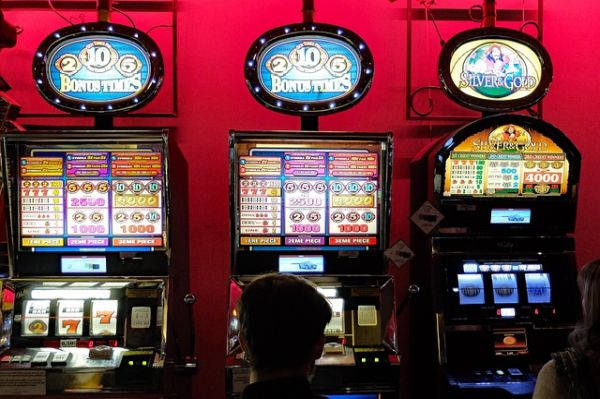
Three Slot Machines

Various Huge Franchises Dominating Slots List

There are a few franchises in the slots market that are reigning supreme above all others. The Big Bass series, for instance, is one that keeps expanding and attracting more players. Of the casino slot games from Paddy Power, these games stand out and are always listed near the top of the page. One of the most recent offerings is Big Bass Boxing Bonus Round, which takes the fishing theme to new extremes by having the bass face off against boxers in the ring.

There are various other franchises that have helped lead this craze, with Age of the Gods another well-known offering. There are more than 30 games in the series, with most of these in the slots market. What’s interesting about this franchise is that it has spilled out into the live casino category as well, with Age of the Gods Roulette Live. This game has been hugely popular, and highlights how important it is for developers to boost their top franchises as much as possible.

Taking Inspiration From Other Forms of Entertainment

Slot developers have taken this winning franchise formula from other forms of entertainment, where producers have long realized that familiarity sells. The best place to see this in action is the movie industry, where there are various long-running series that keep attracting viewers. The Fast and Furious franchise is one of the top examples, with 11 movies in the universe to date.

There are countless other franchises that have thrived from this model as well. Indeed, the greatest commercial successes in the film industry are those that continue past offerings. The James Bond, Avatar, and Pirates of the Caribbean movies have all been massive money makers. Along with appealing to people who enjoyed the previous pictures, new films serve to attract new viewers to past offerings as well.

Film producers have shown that spinoffs of popular movies work well, too. A common strategy in today’s entertainment market is to make television spinoffs of hit movies, often focusing on minor characters and building the universe more. Streaming services have helped this model grow seamlessly, with viewers able to access related films and series in the same place.

The franchise model is well and truly in full effect in the online casino industry, and it is working well. There’s a strong argument to suggest that developers should always look to build upon their greatest hits. This can be done by offering sequels and spinoffs that come with slightly different themes.

IMAGE CREDIT: Pixabay.com

BLOG MENU

The Rise of Social Casinos in Daily Commutes

By Aleks Souschuk.

In 2025, every minute holds significant value, making gaming on the go a unique experience. It is an opportunity to reduce travel time, relax in a special way in the park, or simply monitor the casino site in case of unique temporary promotions or offers. All this together attracts gamblers to learn more about mobile gaming on the go and understand how it works. To help you understand this trend better, we suggest that you find more details later in the article.

Playing a Slot Game on the Bus

Why commuters choose casino-style games

Several factors make these games ideal for commute time:

  • Short playing time, so it can be finished at any stop or station
  • Simple touch-on-screen operation can be done by a person in an overcrowded environment.
  • Low data usage compared with what you get from video feeds
  • Loading times of the game that go against that reasoning, even if brief connections are made,
  • Players can stop their game sessions and resume them later without any penalty.

The brief nature of individual game rounds makes them perfect for unpredictable travel times. A slot spin takes seconds to complete, letting players enjoy complete game cycles even during short transit segments. This quick resolution creates satisfaction even when only five minutes become available for play.

How game developers adapt for commuter players

Game designers now specifically target commuter players with features built for transit conditions. Mobile gaming on the go requires different approaches compared to home-based play sessions on larger screens.

Key adaptations include:

  • Offline play modes that function without constant connections
  • One-handed operation for standing passengers
  • Simplified screen layouts visible in varied lighting
  • Automatic game saving at frequent intervals
  • There is also a reduction in battery consumption for longer trips.

These technical features also help prevent commuters from feeling frustrated when offline modes are particularly useful. Most games that continue working during online disconnections make a real difference, especially when commuting through subway tunnels or rural areas with limited data connectivity, as it keeps the players engaged throughout their entire journey.

Morning and evening commute times now represent a very high use period for many social casino games. Data now clearly show regular spikes in usage between 7-9 am and 5-7 pm on weekdays, which correspond to the typical times of weekday commuter trips. Using the same phrase above, this trend shows how used to playing these games commuting is for the commuter rider. 

The vertical orientation associated with most social casino games also complements usage on busy public transport; players are able to comfortably grip the device in one hand while still being able to brace with the other while standing. This practical design feature allows for gameplay even when standing among other people, usually in times of “standing room only” during rush hour periods.

Weather patterns also impact usage; rainy days generate 30% higher engagement with consumer players than clearer weather conditions. This correlation indicates that commuters are much more likely to enjoy their digital entertainment more so than traditional travel distractions when the outside views that “may provide engagement” are much less so due to poor weather.

IMAGE CREDIT: Microsoft CoPilot AI

BLOG MENU

iGaming Trends 2025 and the Rise of Modular Casino Systems

Nowplix.comBy Amanda Moody.

The online gambling industry has always been at the forefront of technological innovation. As we move into 2025, iGaming trends are shifting toward greater personalization, modularity, and AI-powered optimization. Platforms like NowPlix are leading this transformation by offering advanced, scalable, and fully customizable modular casino systems tailored for modern operators.

Understanding the Modular Approach

A modular casino system refers to an architecture where the platform is divided into independently functioning components or modules. Instead of relying on a monolithic backend, operators can now choose, integrate, and customize only the modules they need—be it sportsbook, live casino, bonus engine, affiliate system, or payment processors.

This flexibility has become essential for both startups and established brands looking to adapt quickly to local regulations, user preferences, or market dynamics. NowPlix’s approach enables rapid time-to-market without sacrificing control or scalability.

Top iGaming Trends Defining 2025

  • AI and Personalization: From dynamic content delivery to risk management, AI is transforming the way users engage with iGaming platforms.
  • Mobile-first Gaming: With over 75% of players accessing platforms via mobile, UX/UI design is shifting toward handheld usability.
  • Decentralized Gaming & Web3: Blockchain integration and crypto payments are no longer a novelty—they are a user expectation in certain regions.
  • Regulatory Adaptability: A major trend among white-label and B2B providers is offering tools to comply with local laws and jurisdiction-specific limits.
  • Modular Scalability: Operators demand platforms that grow with their business. Plug-and-play functionality is a must.

Why NowPlix Is at the Center of the Modular Evolution

NowPlix has positioned itself as a next-gen iGaming software provider by creating a fully modular casino platform. Each module—whether it’s the sportsbook, casino, affiliate manager, bonus builder, or AML system—can be activated, deactivated, or customized based on the business model of the operator.

The NowPlix Sportsbook module is a perfect example: supporting thousands of real-time events, customizable odds feeds, localization options, and deep integration with marketing tools and CRM systems. This gives operators both depth and agility to operate in saturated or emerging markets.

Localization and Multilingual Expansion

As iGaming trends push platforms to expand into new GEOs like LATAM, Africa, and Southeast Asia, localization becomes crucial. NowPlix supports multi-language frontends, currency switching, and localized UI flows—ensuring a native user experience no matter the region.

Furthermore, operators can deploy custom configurations for each GEO using NowPlix’s back office, combining modules in ways that are uniquely suited for each market segment.

Benefits of a Modular Casino System

Operators adopting modular casino systems like NowPlix experience several strategic advantages:

  • Speed: Faster deployment of new features or markets without system-wide upgrades.
  • Control: Precise configuration of features and integrations.
  • Cost-Efficiency: Pay only for the modules you use, reducing overhead.
  • Compliance: Easier adaptation to regional legal and tax frameworks.
  • Innovation: Seamless integration of third-party games, payment gateways, or AI tools.

NowPlix: Built for the Future of iGaming

Whether you’re launching a new brand or optimizing an existing platform, NowPlix provides the infrastructure to future-proof your business. The team behind NowPlix has deep expertise in affiliate marketing, iGaming regulation, and traffic monetization—giving their clients a competitive edge.

In addition to core modules, NowPlix is constantly evolving its platform based on emerging iGaming trends, ensuring that its partners always stay ahead of the curve. From gamification tools to responsible gambling features, every piece is built with growth and compliance in mind.

Final Thoughts

2025 will be defined by adaptability, data-driven design, and intelligent systems. As the online gambling ecosystem becomes more complex and regulated, operators need partners that offer both technical flexibility and industry foresight.

NowPlix delivers exactly that—with a modular casino system that meets the needs of a rapidly shifting global market. If you’re looking to scale smart, stay compliant, and lead in UX and performance, NowPlix is a brand worth watching—and working with.

IMAGE CREDIT: Nowplix.com

BLOG MENU